Stargazing in the Arkansas Ozarks
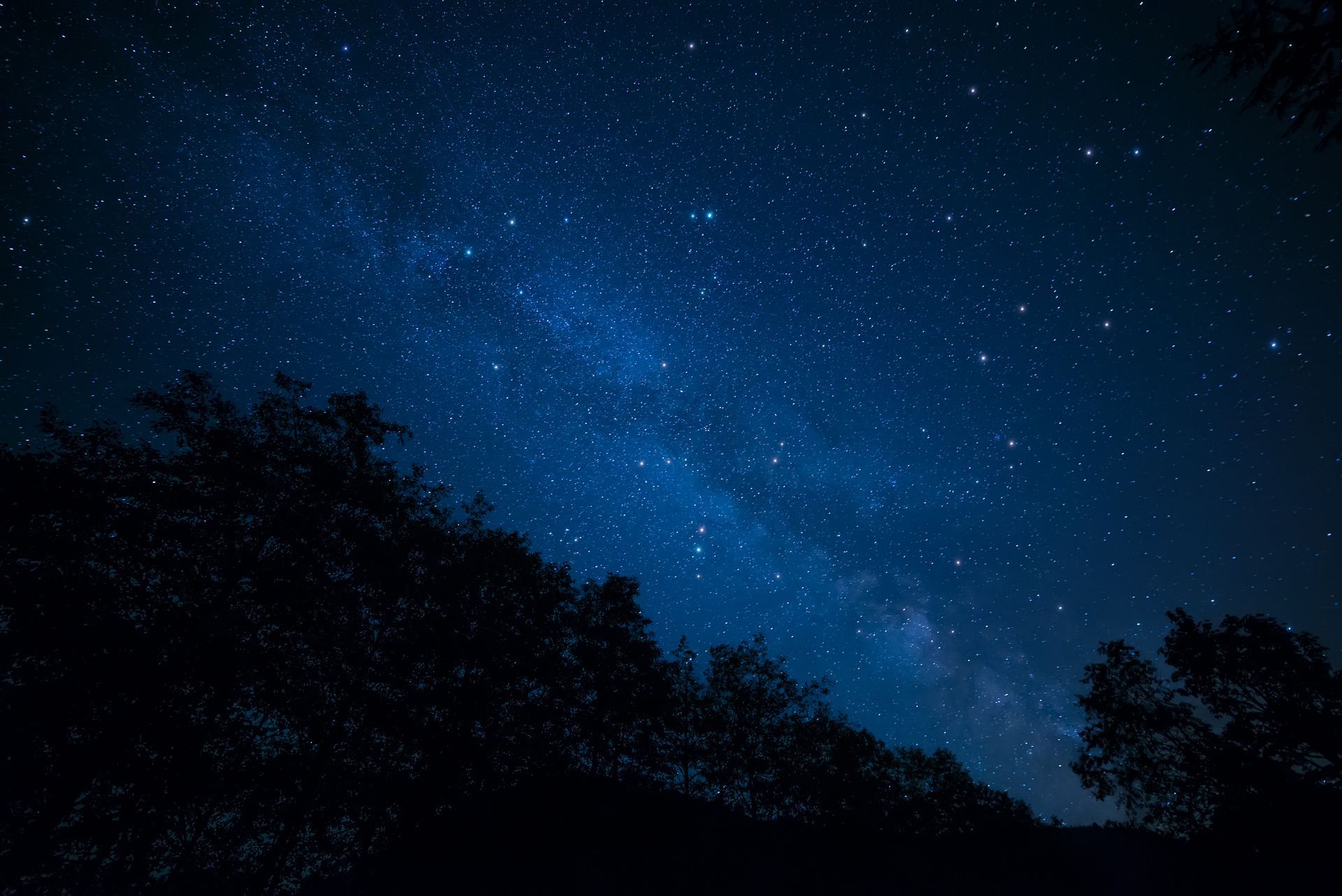
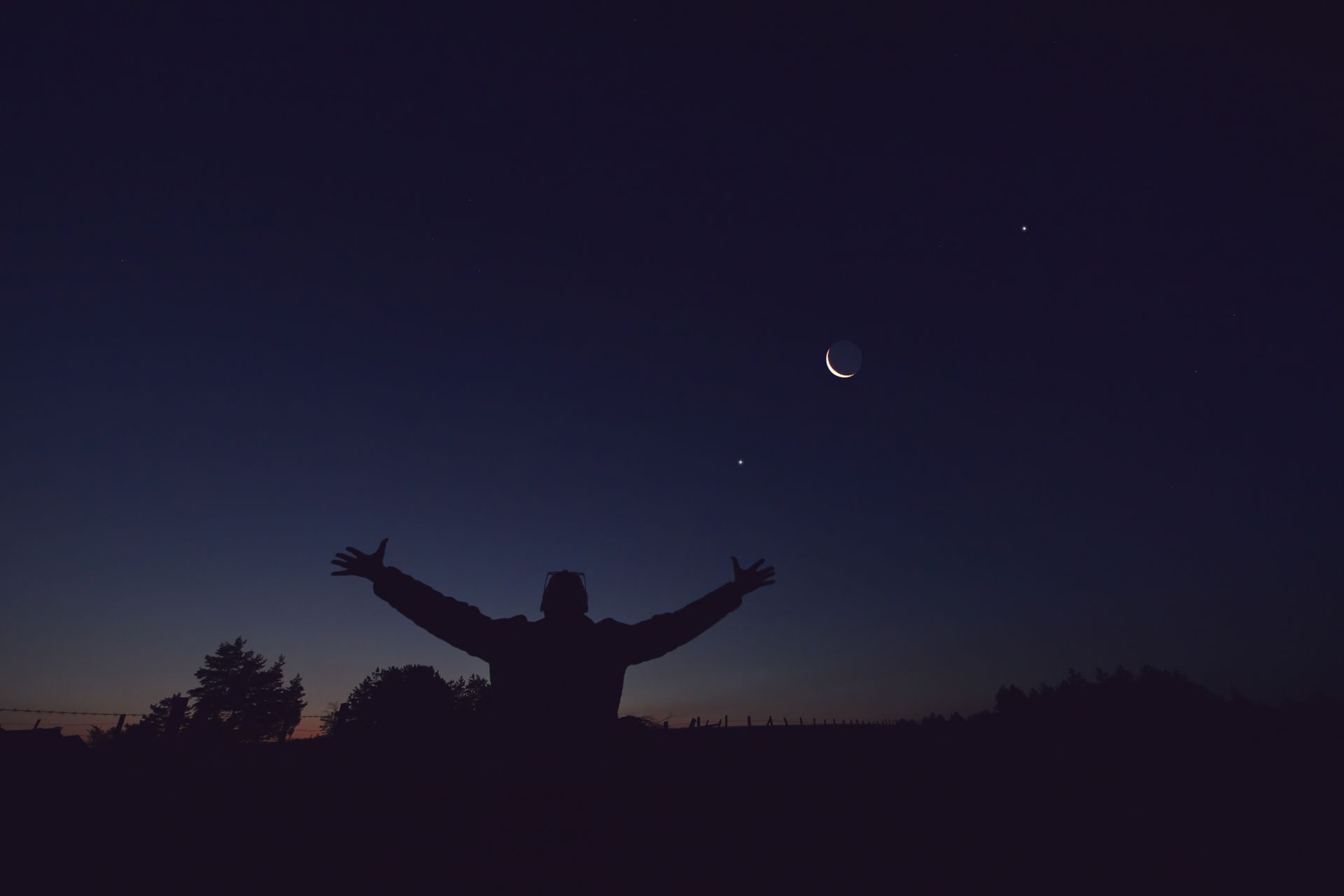
OZK Cabins sits on 550 private acres in Compton, Arkansas — less than 5 miles from the Buffalo National River, a certified International Dark Sky Park. No streetlights. No neighbors. Just you and the Milky Way.
Most Americans Have Never Seen the Night
They've seen darkness — the city kind, the suburban kind, the kind that still has a porch light somewhere in it. But the actual night, the one your great-grandparents stepped into on a Tuesday in 1923, has been bleached out of about 80% of the country. Four out of five Americans cannot see the Milky Way from where they live. It's still here.
OZK Cabins sits on 550 private acres in Compton, Arkansas, less than 5 miles from the Buffalo National River — a certified International Dark Sky Park, one of fewer than 200 in the world. No streetlights. No neighboring property. No glow on the horizon. Just the sky doing what it has always done.
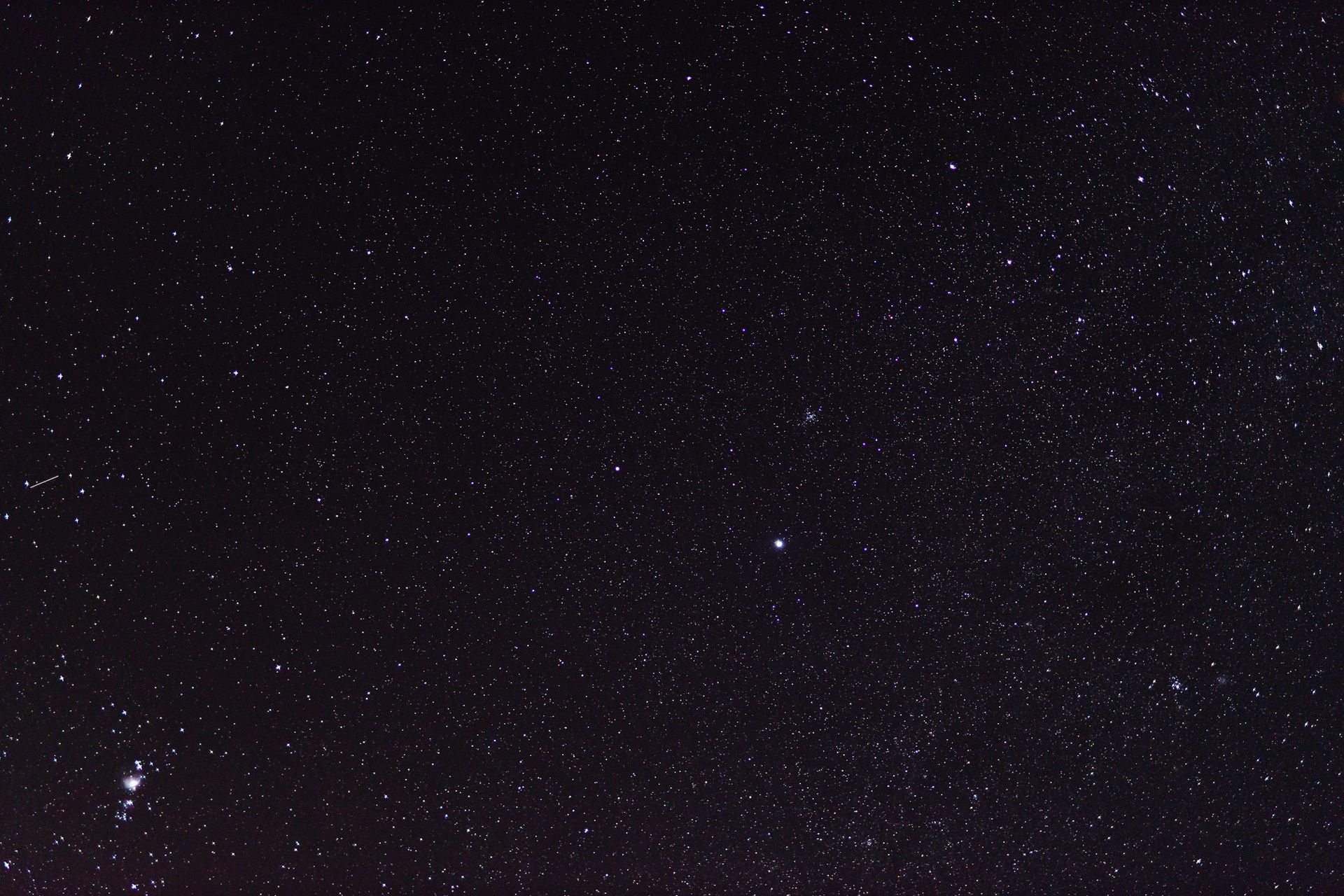
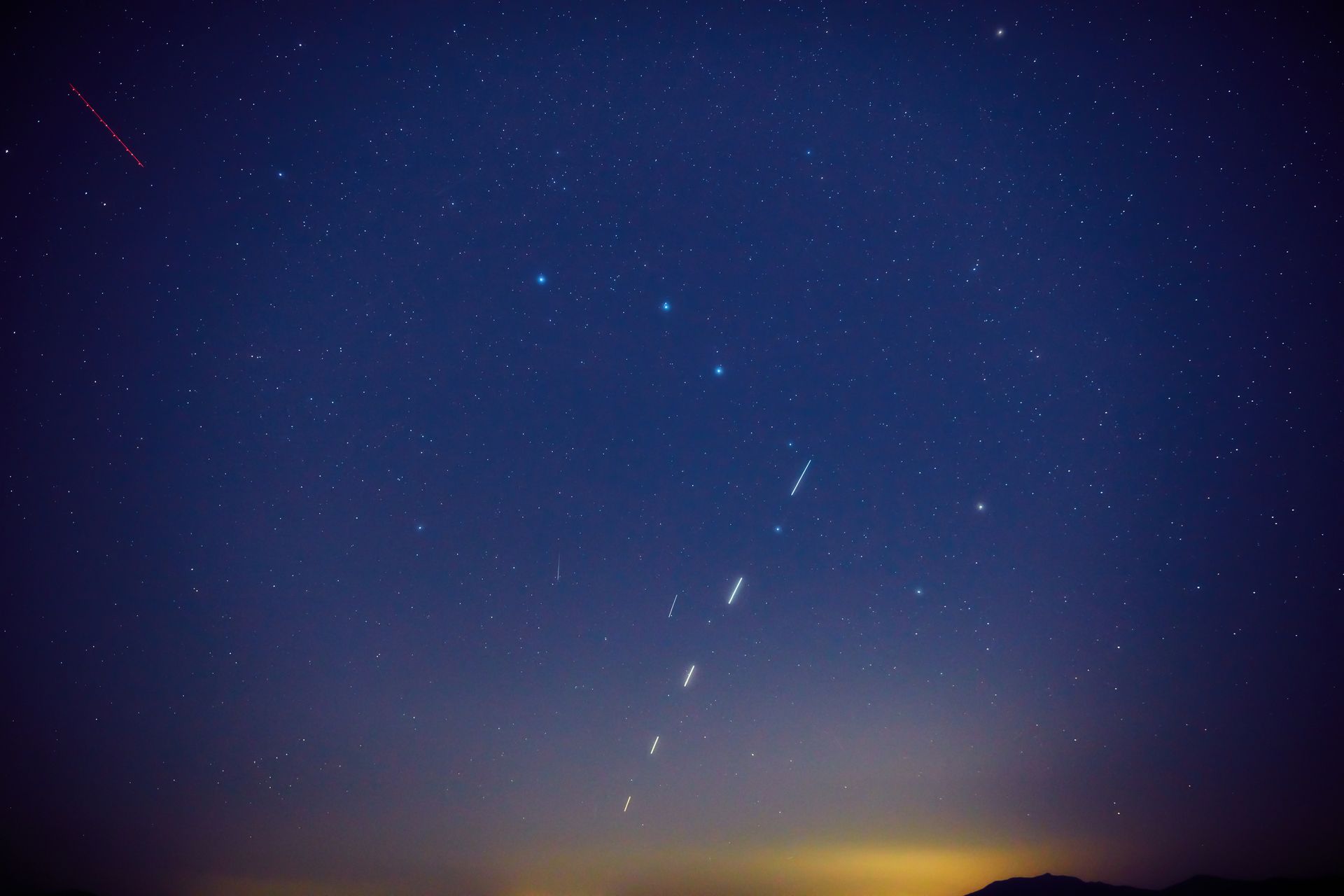
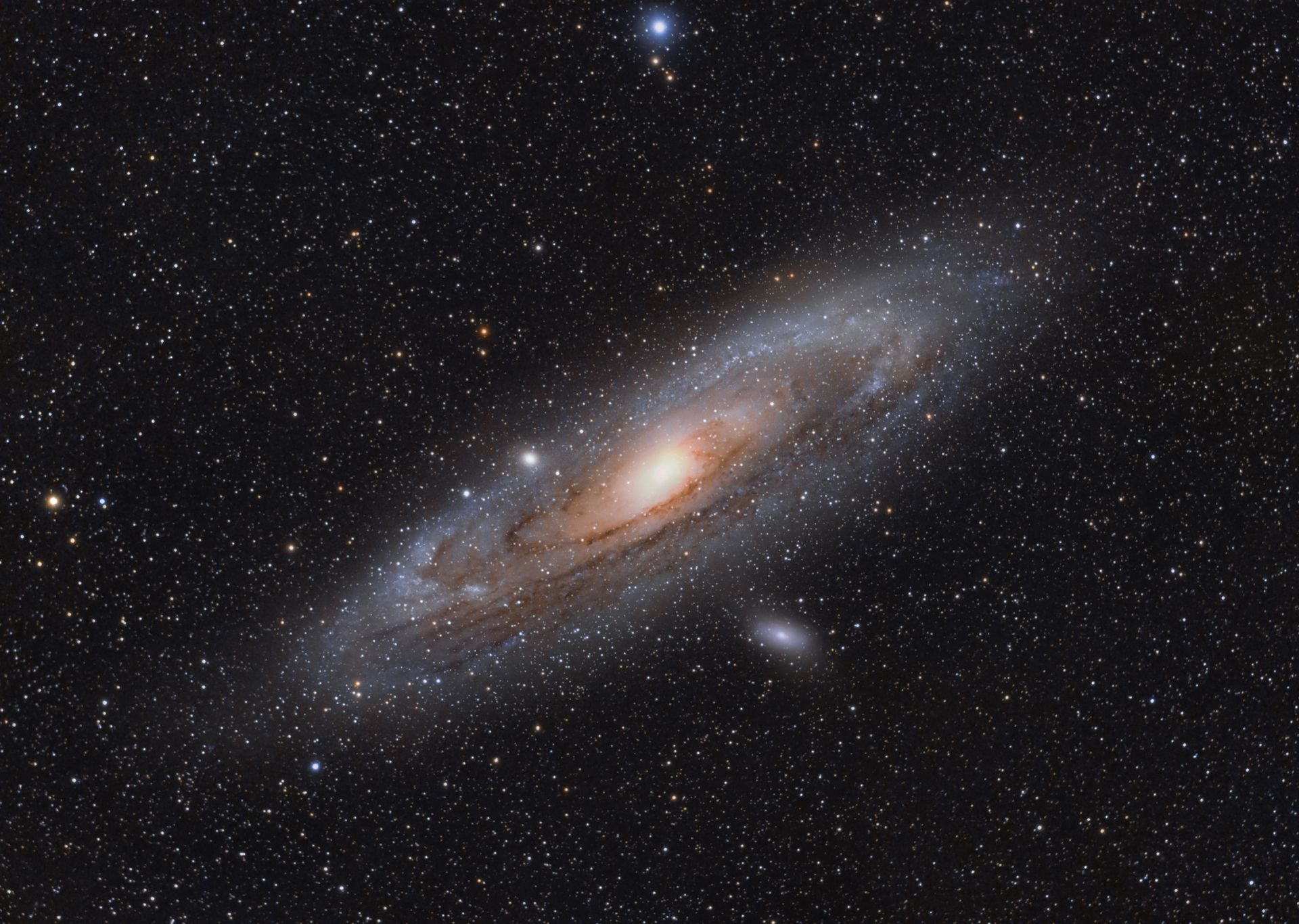
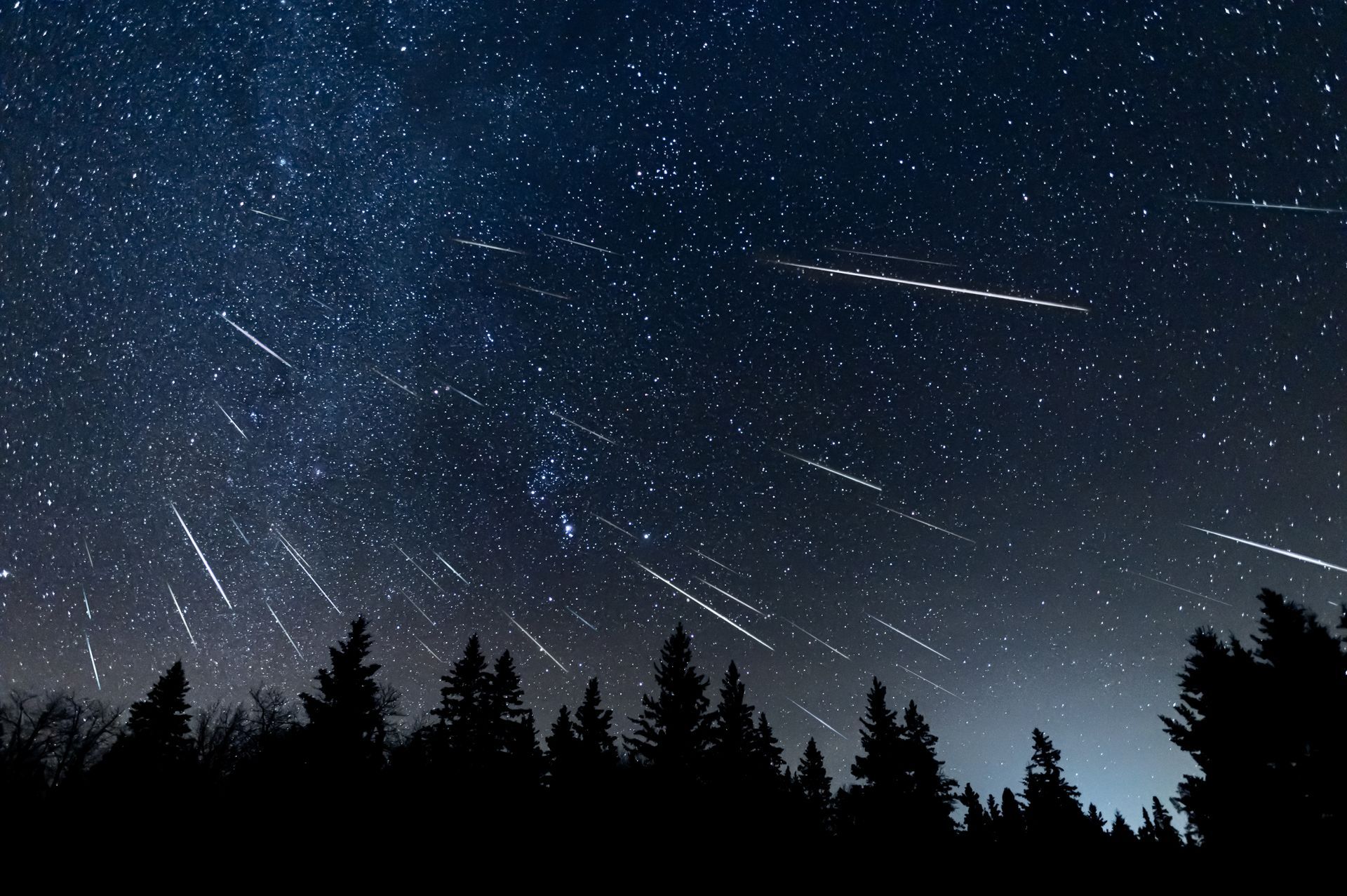
On a clear, moonless night between March and October, the galactic core of the Milky Way is visible to the naked eye, arcing from horizon to horizon. You'll see thousands of individual stars. You'll spot Andromeda — a galaxy 2.5 million light years away — as a faint smudge with no telescope required. You'll see meteors most nights of the year, and during peak showers (Perseids in August, Geminids in December) you'll see one every minute or two if you're patient.
If you've never stargazed in a true dark sky park before, give your eyes 20 minutes to adjust. Step outside, give it time, and don't check your phone — a single screen glance resets the process.
What the Sky Looks Like From Here
Deep Sky Objects
The Andromeda Galaxy, Orion Nebula, and Pleiades star cluster are all naked-eye visible from this location.
Best Times to Look Up
- March – October: Milky Way core visible, with peak brightness June through August.
- August 11–13: Perseid meteor shower, 50–80 meteors per hour.
- October – November: Orion rising, peak fall color underfoot.
- December 13–14: Geminid meteor shower, 60–120 meteors per hour.
- Year-Round: Major constellations, planets in season, ISS passes overhead.
The darkest skies are on new moon nights. Plan around the lunar calendar if you want maximum visibility. Full moon weekends are still beautiful — you just trade the Milky Way for a moonlit landscape.
For Photographers
Bring a tripod, a wide-angle lens (14–24mm is ideal), and a camera that can hold 20–30 second exposures at ISO 1600+. The Lodge deck has room for multiple tripods. We're happy to share settings and locations that have worked for past guests — just ask.

Come see it. We can describe it. We can show you photos. But the dark sky is the kind of thing that has to be stood underneath. Most guests describe their first night here as the moment the trip became something they couldn't have planned for.
The Deeper Sky
For most of human history, the sky was not silent. It was full of stories—calendars, navigation, ceremony— most of which modern life has stripped out. Part of what we're building at OZK Cabins is the scaffolding to give a piece of that back. Sky guides for first-timers. Quiet tools for quiet nights. Spaces designed so that sitting still under the stars feels like the whole point of the trip, not an accident of it. Some of it is on the property already. More is coming.
What Makes This Different
There are dark sky parks you can drive to and stand in a parking lot. This is not that.
At OZK Cabins, the dark sky is overhead every night of your stay. You step onto the deck of your private cabin on 550 acres and the sky is already there. No driving. No crowds. No closing time.
The Buffalo National River corridor is one of the few remaining places in the central U.S. where the Bortle scale drops to Class 2-3. Our guests report seeing the Milky Way for the first time in their lives from the hot tub. That sentence keeps showing up in our reviews.
Book a Dark Sky Night
The best nights are new moon weekends from March through October. Pick your dates and book direct for the best rate — no Airbnb fees, no middleman.